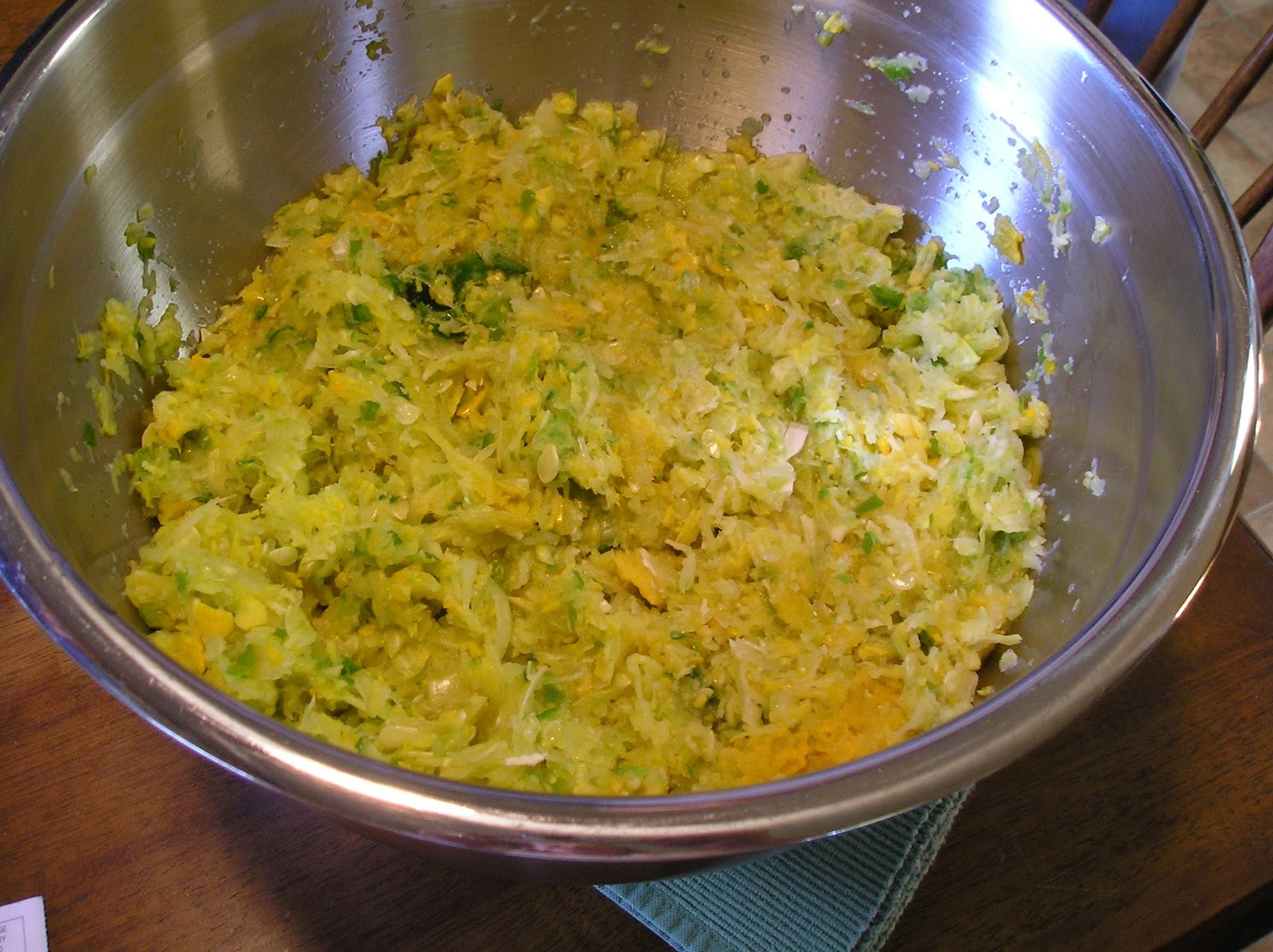
We have canned 31 pints of squash in water, along with 28 pints of squash relish. That will be more than enough for us until next summer. You can find our canning techniques for squash here and the recipe for the squash relish here. There are three differences in making squash relish this year. One, is that I used some of the peppers I dehydrated last summer, instead of fresh. I rehydrated them, then ran them through the grater with the squash and onions. Two, we put the relish in a water bath canner for 15 minutes, like we do other pickled items, which we did not do last year.
The other small difference is that I mixed up my own pickling spices. Not a very significant thing, but I got a big kick out of it. Simple, huh? Last year I found a recipe online, then ordered the individual spices in bulk from Monterey Bay Spice Company. Now, I can mix my own according to our tastes. Some of these items I will be able to grow and use my own, but things like cinnamon, cloves and allspice, I will not. Here is the recipe.
Pickling Spices
4 cinnamon sticks, well crumbled
1 - 1" piece dried gingerroot, well crumbled, or 1 tbsp. dried root pieces
2 tbsp. mustard seed

2 tsp. whole allspice berries
2 tbsp. whole black peppercorns
2 tsp. whole cloves
2 tsp. dill seeds
2 tsp. coriander seeds
8 bay leaves, crumbled medium
1 small dried hot pepper, chopped or crumbled fine, seeds and all
Isn't it pretty? I think so.

The nutritional content of squash surprised me. I figured it would be higher in starches, carbohydrates and calories. Of course, the way it is prepared, such as fried, will impact the caloric content, but overall, squash is a very nutritious vegetable. Here is the rundown. In one cup of raw yellow summer or zucchini squash you will find:
- Vitamins A, C, K
- Folate
- Choline
- Calcium
- Magnesium
- Phosphorus
- Potassium
- Sodium
- Omega 3 & 6 fatty acids
- 2 g protein
- 4 g carbohydrates with include 2 g from sugars
- 20 calories

I am learning a lot from researching the nutritional values of the things we grow in the garden. It will help us to evaluate what we grow and determine what nutrients are missing and how we can include them. Let's face it, if brussell sprouts will provide something that is missing from your food intake, but they make you gag, it doesn't really matter, does it? Finding and growing food that will help sustain us in a healthy manner, is a great learning process. Remember, life is a journey. It is the journey we learn from, or not, the choice is ours.
Until next time - Fern