The Road Home

The Road Home
There is no place like home.
Showing posts with label planting. Show all posts

Friday, April 5, 2019

Homestead News, Volume 20

We just got back from Frank's checkup, his second cataract surgery was yesterday and everything is going well. He has some physical limitations for a few more days, so we'll be taking it easy. It's supposed to rain over the weekend too, so another reason for a slow couple of days.


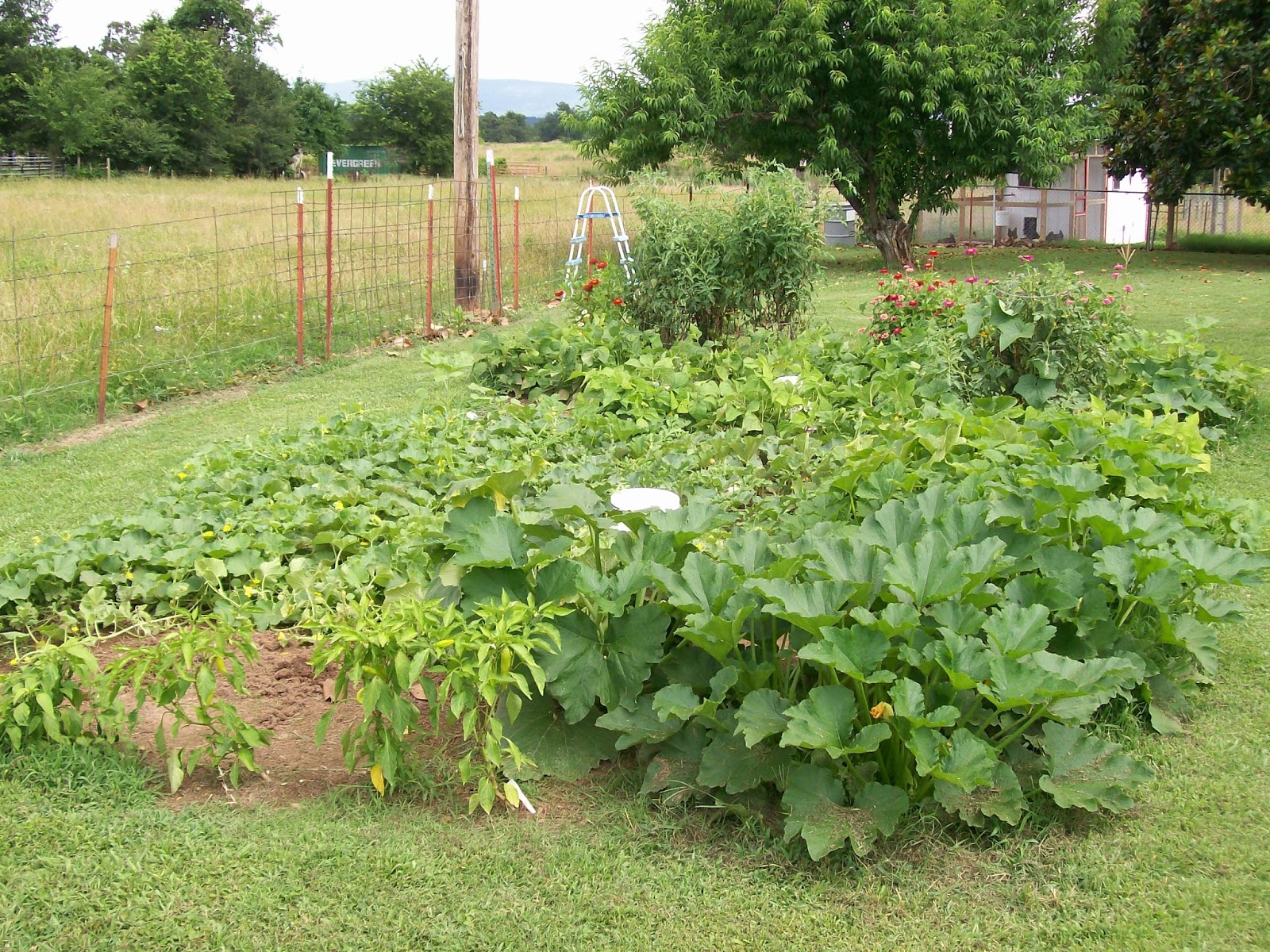
We have added the last of the fertilizer from the chicken house to the garden and tilled it again. Planting will begin sometime next week, weather and mud will help determine the timing. This year will be one of the latest starts on planting the garden. We didn't put in any cold weather crops this spring, they just haven't produced well for us, so we didn't expend the time and effort. We decided to try some time lapse photos of the garden through the season, so here is step one. Dirt.


The seedlings are doing well in the greenhouse, all except the carrots who are suffering from a case of aphids. They moved outside and have been through a few frosty mornings. Maybe that killed off a few of the little buggers.

Beets

Tomatoes

Peppers with basil in the middle smaller pots

Tubs of lettuce, almost ready for lunch


Carrots outside


Nasturtiums

Part of the bed out back, sometimes known as the herb bed, will be used for the perpetual turnip bed. I started to do an article on the nutrition of turnips and turnip greens since we had a lot of interest in them recently, but then realized I had already written one. 


We have simplified the goat herd, quite a bit actually. We had 14 baby goats this year. It's always easy to keep a few young does, they're young, cute and have potential to be good does. At first we were going to keep one, then two, then three. What did we end up with? None. And that was a good decision. We also sold three adult does. What do we have left? One Stripe, our 11 year old, 'old lady goat' that is no longer a producer. 


Her four year old daughter Patch that had a serious illness with a retained placenta this year that led to mastitis on one side of her udder. Her six year old sister Copper, who we sold, help raise her triplets along with her own. Patch is still losing hair in some places and I'm still working on her udder, but her health appears to be much better. I'm actually hoping she goes into heat and breeds, then maybe her udder will function on both sides and she can provide us with milk this coming winter.

Two of our young does had their first kids this year and are doing well on the milk stand. I'll write a Goat Tail sometime soon and give you more details on their progress.


Our chicks have hatched and more arrived in the mail, but that tale will wait for one of Frank's chicken stories.


It's spring, almost time to mow the yard, rains are here and the temperatures are rising. What's not to like about spring? Unfortunately, the temperatures appear to be rising in more ways than one across our country. There are those in power that will never cease fomenting hatred and unrest in our country. They care not one wit for your welfare, well being or contentment with life, liberty and the pursuit of happiness. They will never be satisfied. Ever. Until everything is either under their boot or destroyed down to the last man, woman and child.


I relish the sunshine, the awakening of spring and the quiet solitude of our rural, country life. But I am not unrealistic about how quickly the peace can be shattered in an explosion of violence and hatred. Even here. Do not be led to believe that all is well in the land of the free and the home of the brave. It is not. Do what you can in whatever environment you find yourself in, there are always opportunities available.

Until next time - Fern
 

Monday, January 11, 2016

What Seeds Have Taught Me

Seeds. I love seeds and the potential nourishment they represent. If the truth were to be told, I have too many seeds, so some of them age past their prime and lose viability before they have the opportunity to grow. A waste? Yes, could be, but like our preparations, I would rather have too many, than wish I had something grow because we were hungry. Frank has heard me say many times that seeds are worth more than gold. The food that seeds provide can keep us alive. If there are no seeds to be had, all the gold in the world is worthless.


I am grateful that we have had the last seven years here to learn the climate, soil conditions, pests and temperature variations. No two years have had the same weather conditions, which has offered even more to learn. Our first two gardens were grown under extreme drought conditions. This past year we lost some of our hard earned topsoil to flooding, and it was so wet that seeds rotted in the ground.

During the first few years we tried growing the same varieties of vegetables we had grown else where, some did well and some did not. We experimented one year with about six or eight types of peppers, tomatoes and winter squashes. That gave us a very good idea of which ones would produce well here. Some of our favorites made the cut and some did not, fortunately we found better producing varieties that have now become our new favorites.

It took me three years to figure out how to grow lima beans only to discover we really didn't like them. Until two years ago, I didn't like fresh tomatoes. We started growing two old heirloom varieties, and surprisingly, I liked them. Frank has always liked tomatoes and he describes them as more acidic than many of the newer varieties. I have also discovered that my back cannot pick a row of bush beans. I just can't do it. This has led to experiments with several types of pole beans until we found one that we really enjoy, that produces well into the fall.

I wish I could figure out how to grow a head of cabbage. I even wrote an article about it. And onions. Those are things I will continue to work on because we eat a lot of both. I also need to be more diligent at saving our seeds. It has always been easier for me to order seeds instead of planning ahead for seed saving. There will come a time when the only seeds we have will be the ones we save, so this is not a skill for me to continue avoiding or neglecting. 


The greenhouse has given us a whole new learning experience in growing food. As would be expected, the cool weather crops are happier than those that like the heat of summer. We have picked one yellow squash and the tomatoes are blooming, but with 38* lows at night, I don't expect much from them. I will soon be planting seedlings in the greenhouse. The window I've used for the past few years has now been replaced by the greenhouse entrance and I find that to be very comforting. I'm excited about the greatly expanded room to grow many more seedlings that won't be leggy and leaning over sideways in an attempt to reach the sunlight. I'll be learning much more about the timing for growing, hardening off and planting these seedlings.


There are many beautiful seed catalogs arriving in the mail now days. They all have something to offer that is new, different or interesting, but I have found a company that has a very wide variety of quality products for a fraction of the cost. With few exceptions, we order our seeds from R.H. Shumway's, which I have no affiliation with, except as a very satisfied customer. Their catalog is not shiny and showy, but it is packed full of seeds and information.  I would highly recommend them.


So, what have the seeds taught me? Patience, diligence, responsibility, the power of observation and learning, conditions for success, hard work usually pays off, and that hope springs eternal in the miracle of germination and growth. In a recent article I said, "Our future will be one of incredibly hard work, grubbing in the dirt for our survival." That's what seeds mean to me. Life. Survival. I am continually fascinated that one tiny little seed can produce so much food. In the coming days if you have a few seeds and a shovel to spare, a man could help feed his family. Do you have enough seeds for this year, and the next, and the next?


If you are new to your area, or plan to go somewhere else when the SHTF, do you know someone that can help you with invaluable information about local growing conditions and varieties that produce? When is the average first and last frost date? What insect pests cause the most destruction? Do you know how to deal with them without running down to the local garden center for a fix? Has the soil been turned and worked? Is it fertile enough to support the production you need? There are so many things to learn and know before those seeds will turn into food. I have read many places that people feel prepared to replenish their food supply because they have a can of survival seeds. Unless these people have figured out, and made accommodations for many of the things I have mentioned, they will starve. Not that these cans of seeds are a bad idea or contain inferior products, but the conditions necessary for adequate food production are dependent upon so many factors that the odds are stacked against them. 
 
Grace's garden

We have a friend, Grace, that gardens just a few miles down the road. She can grow things we cannot. We have pests she doesn't, and she has some we don't. Conditions can change quickly, from location to location, as well as year to year..


What have you learned from your seeds? Please share with us because we are all in this together. Any knowledge we can glean now, before it is a vital means of survival will be of great benefit. As soon as I get back the use of these two hands I will be rolling up a new batch of pot makers and planting them in the greenhouse. I can't wait.

Until next time - Fern
 

Monday, November 30, 2015

Good Advice from the Plant Lady

We recently published an article titled Got Food? For How Long? and received some very thought provoking comments from the PlantLady. She is an experienced gardener and provides us some very good advice. We'd thank her for taking the time to share her experiences and we would like to share what she had to say.
~~~~~~~~~~~~~~~~~~~~~~~~~~~~~~~~~~~~~~~~~~~~~~~~~~~~~~~~
This very subject is why I became a market gardener. Not to make money - although that is very nice - but to practice growing large quantities of food. Have always been a serious gardener (ok, maybe obsessed), but more on the ornamental side as I had always hoped to have a small nursery after retirement. With the way things are now, food is far more important. And
while I am the person the master gardeners call with questions (hence the PlantLady moniker), had no idea of just how much to grow, how many seeds it would take, which crops would provide the most nutrition, which crops to grow when for a balanced diet, timing of planting and harvesting, which crops store easily without refrigeration or canning and just how big the garden needed to be. During my 6 years of elder care, studied everything I could get my hands on to try to figure all this out. Guess what? There is no way to know without actually doing it! Every location is so different as far as weather, general climate, water availability, soil structure and fertility and available resources...and all these factors change constantly. What worked last week, month or year may be totally wrong for the now.

So two years ago worked up new ground and started practicing. Last year I started selling at market. This year I doubled the size of the garden and sold at market regularly, added a second location for selling closer to home and started really keeping track of what I grew when, how much I harvested, how much I sold, how much I donated, how much I preserved, etc. Keeping records is necessary...you may think that you will remember, but
there is just too much you need
 to know. And, heaven forbid, after the Darker Ages arrive...what if something happens to you - the only person that knows everything needed to produce enough food? Your family will be oh so grateful to have a written record of how much of each crop is needed, how many seeds to plant to get that much, when each crop needs to be planted and harvested, how to time things so you have a steady supply for fresh eating, how to time things so crops for preserving ripen at the best times (ie. for making pickles, you need cukes, dill, onions, garlic, peppers and apple cider vinegar simultaneously) how to best preserve each crop, how to save seeds and breed crops to best suit your location, provide the largest harvest, resist disease and insects and suit your taste.

Then there are the infrastructure needs...do you really want to be starting a garden by digging sod by with a stick? No way - that needs to be done now with power tools. And you need to stock up on good quality shovels, hoes, rakes, wheel hoes, GLOVES - enough for many people. Do you want to wake up one morning and find your only food for the next year has been decimated by

deer/rabbits/coons/strangers? Heaven forbid - get fencing now while its available and learn how to set sturdy fence. While things are still available, plant as much perennial food as you can - fruit trees and berry bushes, nut trees, asparagus, rhubarb, horseradish, etc. And stock seeds...I get twitchy if I have less than 5 years worth on hand. Also get animals while you can, unless you plan on being a vegan in the coming Darker Ages! Not just for needed food, but also for their manure to keep your garden fertile. Green manuring is ok for the now, but how are you going to cut, chop and incorporate those easily by hand? Easier by far to turn under composted manure and bedding. Get what you need to extend the seasons so you can grow more food - cold frames, hoophouses, low tunnels. 

The only real way to know what you actually need is to do it. What are you waiting for? You can do it...start now!


PlantLady 


~~~~~~~~~~~~~~~~~~~~~~~~~~~~~~~~~~~~~~~~~~~~~~~~~~~~~~~~

PlantLady - continued

I am an excellent gardener, but am just starting on trying to figure out just how much food I need to produce to feed my extended family and how I am going to manage this feat with just what we have here in the way of natural resources, equipment and plant and animal stock. Trying to get a sustainable cycle set up before conditions get too much worse, because once the trucks stop running, it will be very hard to impossible to get anything.
 

There is a lot more to it than you might think, especially when your very lives will depend upon your success. When what you eat is what you grow, you find that you don't plant a garden once and harvest it once. You will be constantly planting and constantly
harvesting - because of course you will be wanting to constantly eat (hehe). People I talk to are amazed that I don't "put in" the entire garden Memorial Day weekend then harvest as it ripens. There are spring, summer, fall and winter crops possible - even here in the far north. I plant stuff most every month except Oct., Nov. and Dec. and we and the goats and chickens eat out of the winter salad garden under low hoops all fall, winter and spring. And I never plant a crop just once or all in the same location...I plant some for early cropping then wait a while and plant more for midseason, then wait a while and plant some for late. Aside from extending the harvest period, your entire crop of something isn't vulnerable all at the same time in the same place. Plus, that way you don't have a years worth of a crop all at once to preserve - you can spread the work out over a few weeks or months. Johnnys Selected Seeds website has some awesome planting charts for each seasons crops and succession planting - an invaluable resource.

And folks, first you gotta have land with water that will grow food, or you don't have much of a chance to survive the coming Darker Ages. Nobody wants to hear this or think about it - but its true. Every time I read about someone planning on surviving by growing enough food on a city lot or in pots here and there, I want to cry - because that just isn't going to work. Once the trucks stop running, its up to you to feed your family. And to grow enough food you need land. If you don't have land, if you are real lucky, you might get taken on by someone with land and the infrastructure to grow food as a slave, serf or the like - just for the chance to be fed anything. If you aren't lucky, you and your family will starve without the means to produce the food you need.

The upside is that growing your own food now is about the smartest thing you can do, even right now, with prices for everything rising so quickly. Every bite of food you can produce is one you don't have to buy. And infinitely better, safer and fresher than anything you can buy anywhere. A lot of what we learn on our prepping journeys is very useful and perhaps critical to know "at some point". But am I going to drag out the book "When There Is No Dentist" now? No, I will go to a dentist while I can. But growing your own food is great even in the "now"...saves money, you get a better product and you can afford to store more. Plus, you will be gaining the knowledge, equipment and stock you will need to survive the coming hard times.

Let's all go plant something edible!


PlantLady


~~~~~~~~~~~~~~~~~~~~~~~~~~~~~~~~~~~~~~~~~~~~~~~~~~~~~~~~

There are a couple of things PlantLady brought up that I'd like to comment on. So far I have begun a notebook with maps of my garden from year to year for adequate crop rotation. I also have a notes on what I planted. What I don't have is information about when and how much I planted, or how much I harvested, all of which is vital information if we plan to truly live off of what we grow. This is one of the points PlantLady discussed that really hit home with me.

Planting in succession for a steady harvest is another thing I have not done. I have always just 'planted' the garden. Now that we have the greenhouse up and running, I have given much more thought to planting crops more than once. This will be the beginning of my learning experience in this realm. 

We have given much thought to alternative ways of storing food such as canning, drying, curing and cool storage, as in a cellar. All of these skills are still in their infancy for us, but we have begun this process.

Saving seeds? I have done a very poor job of this. For me, it is always easier to order seeds. How will that help me at TEOTWAWKI? Obviously it won't and I need to get very serious about having my own seeds to plant instead of someone else's.


I can't agree more about preparing your ground now, if you have some. Turning a garden with shovel instead of a tractor or tiller is backbreaking work, not to mention new ground is not very fertile and will grow a limited amount of food until it has been worked and enriched.


Why am I pointing out our short comings in gardening and raising our own food? Because we are all in this together and can learn so much from each other. I find PlantLady's comments very, very encouraging. They are also inspiring me to learn more and do better. Please share your ideas, experiences and thoughts with all of us so we can learn even more.


I know the opening lines of Got Food? For How Long? were rather harsh. A friend of mine said she opened the article expecting a nice Thanksgiving thought, not me saying get with it or you will starve. Hard? Yes. True? Unfortunately, very true. The incredibly, unbelievable events taking place all over the world on a daily basis make learning every possible survival skill of the utmost importance. Please heed PlantLady's advice and start growing something edible today. Yes, in December. Somehow, somewhere in your house, on your porch, somewhere, start growing something edible today.

Until next time - Fern

Saturday, October 31, 2015

What's Growing in the Greenhouse? Volume 1

Well, we did it. We actually built a greenhouse after 30 years of dreams and plans. Dreams really do come true, and they are appreciated all the more when the wait is long. To be honest, it still doesn't seem real to me even though I tend the plants here everyday. Recently I had lots of fun, when I added another 18 pots of stuff, some alive and kicking from the yard, and some with newly planted seeds.


We decided to continue using our former seedling tables for planting, this is where the messes will be made. The set up is great, there is lots of room for dirt, gravel, pots, tubs and such, at first we were thinking that everything would move into the greenhouse, but not now. We've already started to wonder if the greenhouse is too small, when at first it didn't look like we could possibly fill the shelves. It is quite the interesting learning process. I can only imagine the other changes we will make along the way.


I started out my planting foray by digging up some things from the garden and herb bed. I realized today that I missed getting some marjoram, which we have really come to enjoy. I will get some in the next few days and add one more pot to the greenhouse shelves, for now. My digging adventure turned up a number of things.

More potatoes from the garden
Comfrey


Mustard greens
Lemon Balm


Creeping Thyme
Two year old celery


Oregano


Tiger decided we needed to have a discussion while I was putting these plants in pots. 


Next came the seeds, more pots, and more trips to the greenhouse.


I have to admit, it looks pretty neat in here. With more pots on the top shelf to water, I started using the step stool. I am tall, 5'9", and watering a few plants is not a problem, but now that there are a lot more, it's time to 'step up' to the task.


I have been reading about hand pollination since we have a number of plants that will need help. Since I have several different cucurbits (squashes, cucumbers, muskmelon) growing, and I don't want to cross pollinate them, each plant will have it's own paint brush for this task. When I told Frank I needed some paintbrushes he reminded me there were some in the garage. It's nice to go no farther than one of your own shelves when you need something.


We have picked some lettuce and spinach for salads. I even trimmed some greens from the onions once. We've also picked a few turnip greens, but that's all so far. I don't think it will be long before the pickings will be increasing, and that will be a real treat, especially as the days get shorter and cooler. Here is what's growing in the greenhouse.

Onions
Collard greens


Comfrey
Romaine that is going to seed.


Lettuce
Strawberries from the garden thanks to a reader.
Spinach
More Turnips
Turnips


Brussels sprouts
Broccoli


Cabbage

Carrots in tub #1
Carrots in tub #2


Beets

As I prepared some of the new seeds and plants, I began to wonder where I would put them. Some of these plants thrive in cooler weather, so I thought about putting them on the floor. Even though the concrete will help with some heating via solar mass and ground temperatures, I could picture these plants going dormant because of the cold air that settles to the floor. At first I thought about raising them off the floor with concrete blocks, but they would be cold as well. I settled for scrap blocks of wood from some of our building projects, hoping the wood would not conduct the cold as much as a concrete block. We'll have to see how this theory pans out. This also utilizes more of the space we have in the greenhouse.

Austrian Winter Peas in the tub, new potato plants in the pot
Celery from the herb bed


The first potatoes from the garden
Mustard greens


Okra, which is a hot weather plant. We really don't expect it to produce.

The area next to the wall of the house contains the plants that prefer hot weather and/or need a trellis. So far with night time temperatures in the 40's occasionally, this area tends to be around 10 degrees warmer than the main shelf by the outside wall. We are very interested to see how this will work out with freezing temperatures. Since the nights are not down to freezing and the temperatures inside heat up quickly on sunny days, we have not closed down any of the vents yet. Frank has a plan for easily opening and closing the vents as needed.


Back row: Green beans, cucumbers, tomatoes, peppers
Front row: ginger, buttercup squash, turmeric

Yellow squash
 

Muskmelon


The yellow squash and muskmelon are in the center of the room. So far, they are very happy. The squash will be blooming soon. I hope to be able to wind the muskmelon around on the table top as it grows.
 

The herbs, a few greens and some flowers, have found homes on the top row of shelves. When I was looking for herb seeds, I ran across some Thumbelina Zinnia, Livingston Daisies, Dandelions and Moss Rose (which we have always called rose moss), and just couldn't resist having a few flowers in here.

2 kinds of Kale
Rose Moss


Zinnias


Mesclun Mixed Greens


Creeping Thyme


The almost dead Stevia is coming out again.

Oregano
Lemon Balm with a dandelion


It's hard to imagine how growing these things may affect our diets, especially in a survival situation. This truly is our survival greenhouse. We have much to learn, and a short time to do it. There will be failure and there will be success, but most of all, I hope there is food.

Until next time - Fern