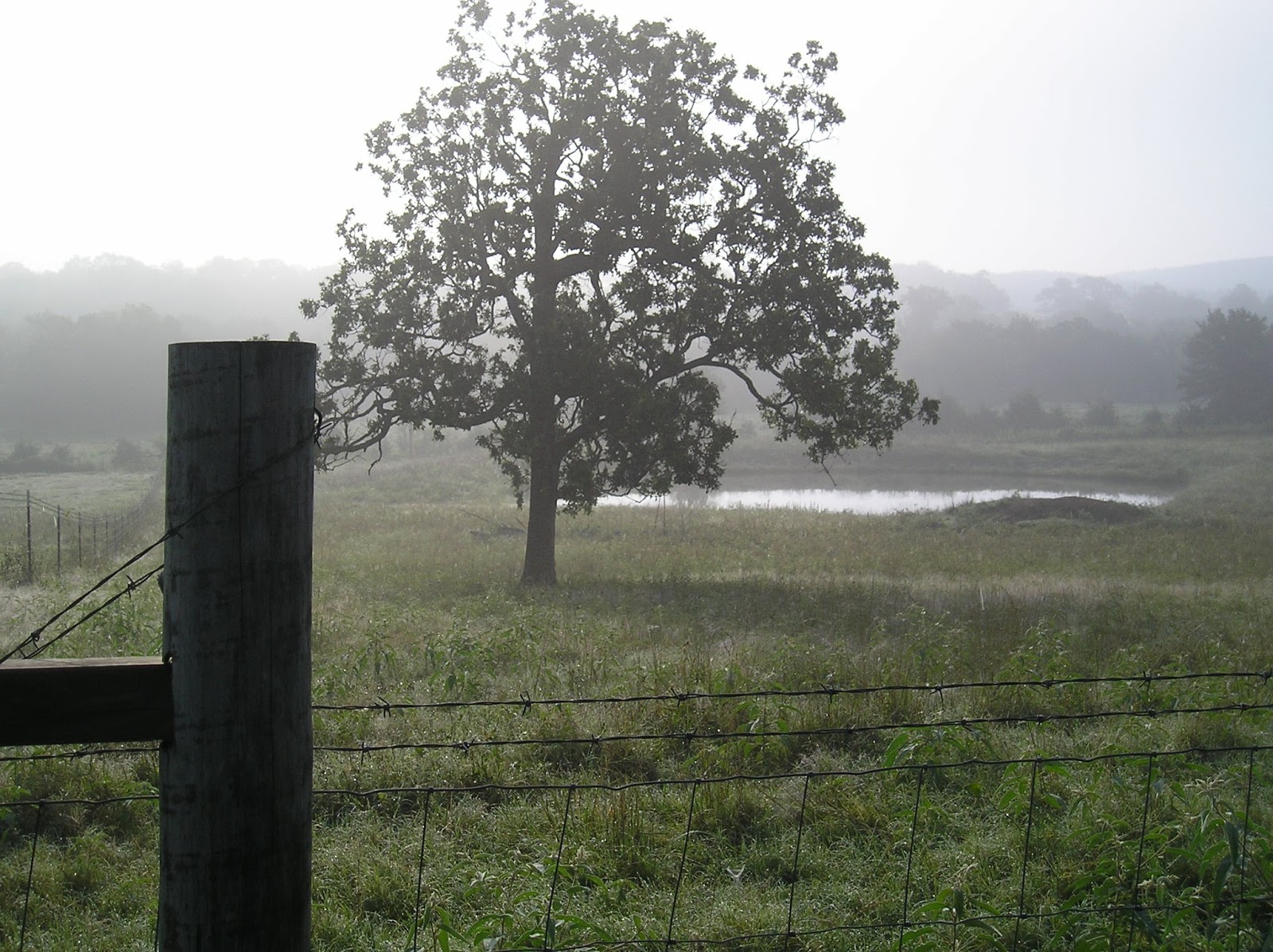
The Road Home

The Road Home
There is no place like home.

Saturday, July 18, 2015

OPSEC Communications - A Re-Post

Hello Everybody, Frank here.

Hope everyone is doing well. If you peruse through these pages often, then you have heard us refer to those dark clouds on the horizon. No, I'm not referring to the dust bowl, but it could be. I'm referring to that storm that most of us know is coming. We see events happening on a daily basis that tells us that something bad is coming.

I also use this blog to try to help people prepare themselves by using different communication methods. Here about 18 months ago, we published an informative article about different types of radios that can be used for radio communications. I'm not talking about ham radio or amateur radio here. You see, right now we take communication for granted. We have hundreds of TV channels, AM/FM/XM radio, cell phones, internet, and I'm sure I've missed a few. But we live in a very fragile system that could very quickly go dark. 

I would encourage you to read the re-post below and give serious thought to how your family is going to be able to communicate when, not if, our complete way of life goes down. Please ponder some of these ideas, it could save you and your families' life someday. We are used to instant communications and it's a very sophisticated, complicated network. You need to have a plan B. Take care, I hope you enjoy the article, and when you get finished reading it, please tell me what you think.

We'll talk more later, Frank

~~~~~~~~~~~~~~~~~~~~~~~~~~~~~~~~~~~~~~~~~~~~~~~~~~~~~~~

Originally published January 4, 2014

 
Hello, Frank here.

Nunam Iqua, Alaska
Once upon a time, there were two people that lived in far bush Alaska that could see dark clouds on the horizon. These two people, knowing what dark clouds meant, started to prepare for a serious storm. As the clouds got closer, and the sky darkened, these two adventurous souls packed up all their gear and relocated to a somewhat safer location. Even though these people escaped this particular storm, the storms followed them to their new location. And the storms have continued to grow bigger and bigger and bigger.

Okee-dokee everybody, back to reality. My first experience with radio communication in the modern world we live in now, was with two little walkie-talkie radios. Fern and I were leaving Alaska and we were going to drive to southeast Oklahoma. Through a large portion of this trip there is no cell phone service. Since we were traveling in two separate vehicles, each pulling a U-Haul trailer, I bought a couple of the above mentioned handheld walkie talkies from Cabela's. And that's how this radio story started. That was five years ago, and here we are today.

I knew nothing about rechargeable batteries. I didn't know that you could recharge batteries while you're driving down the road. So we used eight alkaline batteries a day. You see, Fern and I are an odd couple. We actually like each other and enjoy talking to each other, so the radios came in real handy. So, after our little trip, which took eleven days, I discovered the benefits of rechargeable batteries.

110/12VDC charger

So, when we got here, we put the radios away for a while. I'm not sure exactly when or how or why, but we started using them again around our little farm here. And like many things in life, I had to experience a large learning curve. Well, we started using the little radios again and learned
about rechargeable batteries. I decided I wanted extra radios. I went online, found a couple, and not paying attention, realized they did not use a AA battery. But, instead these new radios used a AAA battery. This was not my plan, but I didn't have the knowledge to know the difference. So, now I need AA and AAA rechargeable batteries. Well, this system worked out okay. I found a place online to buy batteries that I like. And I still use this same place, by the way. So, now I have a hand full of radios, two different types of batteries and the system is working pretty good. But the three AAA batteries will not stay charged near as long as four AA batteries. 

So, I decided to buy more radios. That's when I started using the Midland GXT1000 and 1050. They are the same radio, one is black the other is camo. I got lucky when I bought this little radio, because it did something
I didn't know it would do. It comes with a rechargeable battery pack, which looks just like three AA's put together. But it says it will take four AA's, and it will. If you take the cover off and take the battery pack out, you will see that there is an extra slot for a fourth battery. The cool part is, these four AA rechargeable batteries, will also charge in the charging cradle that the radio came with. Here's where I got lucky. Midland makes a bunch of radios that look just like this, that have the same set up with the same battery pack, but the other ones will not recharge the four rechargeable AA batteries while in the cradle. As the learning curve increased here, it was obvious that not all of these radios charge the same way. So, a bonus feature, because later on I bought some other Midland radios that looked identical, but I could not charge the four AA rechargeable batteries in the cradle. So, much for that issue.

I know these little radios are advertised a certain mileage. But that is under perfect conditions. So, remember, these radios are line of sight, and if you need more information about how the radios operate and their properties, go to Frank's Radio Communications page. These are good radios, high quality and they work well, and they did the job we needed around the farm.

I'm still, at this time, not into ham radio. I tried to get some of my friends and neighbors to get some of these little radios so we could keep in touch. No one was interested in this form of communication, and years later, they're still not interested. That pretty much took care of the home issue. Now I wanted to be able to reach my wife by radio 30 miles away. Bigger 
issue. We tried CB radios with SSB and due to the properties of the CB radio, it just would not work. I live in hill country with small mountains. So one day, looking at a retail radio site, I noticed a programmable commercial radio. Did a little bit more research and realized that these radios would broadcast on the same frequency as my little walkie talkies. That is when I started to realize about different frequencies. You see, a CB radio is around 27 MHz. My little
walkie talkies are around 460 MHz. These new little commercial radios are handheld and they would broadcast on the VHF band which includes most local police, fire and ambulance. It was also good on the ham radio frequencies, which at that time, I cared nothing about. All the ones I just mentioned, police, fire and ham, are in the VHF range, that's around 140-155 MHz. But these little radios would also work for GMRS, which is my little walkie talkie, at around 460 MHz, which is UHF. There is also another free public band called MURS, which is around 150 MHz. So, I tried these little handheld commercial radios and they worked great on this frequency. Some of these activities mentioned here, some folks will tell you that you cannot use a commercial radio for, and they are right. But as long as you are not bothering anybody, most people don't care. Also, remember that in an emergency, anyone can use any frequency if no other means is available. 
So, I put a couple of these little commercial radios, remember, these are handhelds, in our cars running legal power, and could talk to my wife most of her way to work. I dug out my old Radio Shack power supply, I put up an outside antenna, and used one of these little radios to talk to my wife all the way to work. The antenna outside of my house is what made the difference.

Okay. That's where we were. So using a handheld radio, with an outside antenna at my house, I can now talk to my wife in her car. Shortly after this stage, I got my ham radio license, and we've made other changes since
then. But what I'm getting at here is, if you want to have communications, and you do not have a ham radio license, it is available. A small power supply, just about any transmitting and receiving radio, the proper antenna and you can talk to your buddy a good ways down the road, even with your little walkie talkie that does duck calls. That little gizmo thingy that your kid is out playing in the yard with, is probably a GMRS radio. Now, you cannot take a GMRS radio and attach it to an external antenna, you just can't do it. But you can, with a handheld commercial radio, and it's not difficult. Now don't think you're going to take one of these little handhelds and increase the power to 500 watts like some CBer's do. They're just not intended for that use.

But, that CB radio that you have out in your truck, is good for other purposes. All it is, is just a ham radio around 27 MHz, or in the ham world, called 11 meter, that will transmit line of sight. But it will also, when the atmosphere is right, transmit very long distances by bouncing off of the atmosphere. Read the other posts for more information on that. So, you have a CB radio, you can talk to your buddy down the road. If you have a GMRS radio, you can talk to your buddy down the road. Someday, you're going to want to talk to your buddy down the road, because your cell phone and your telephone may not work. Some people say, "Hog wash! We're always going to have electricity and telephones." Yep, and the Titanic was floating just fine, until it hit that iceberg. 

Okay. Some little tips here. OPSEC. That translates into operational security. Anything you say on a radio can be heard by someone else. Let me say that again. Anything you say on a radio can be heard by somebody else. Any point where you transmit from can be located. Ham radio operators have a game where they try to locate a certain transmitter. The military and other government agencies also have that ability. So don't think you can't be found. If you've read some of my other posts, I emphasize, don't be stupid.

Okay. Don't use people names on the radio, because somebody is listening. Develop real simple little codes about locations and where you are. Teach other family members to do the same thing. Well, you say, "How are they going to know what channel I'm broadcasting on?" Anybody with a scanner that has these programmed will know exactly what frequency you're broadcasting on. You ask, "How will they know where I'm located?" It's called electronic triangulation. So, don't kid yourself, that you're smarter than the government, because some of those folks are very, very good at what they do.

So, if you've got a bunch of guys you go to church with, and you all have those little GMRS radios, one day at church, set up a time and see if everybody can talk to each other. Just practice and see if you can talk.
Also try it with CB radios, too. Then if you can communicate, set up a time to do it in an emergency. You say, "Well you talked about the power being off and I don't want to use batteries." Well, then don't. Get you a couple of rechargeable batteries. And you say, "Well, fool. If the power is off, how am I going to recharge them?" Get you a teeny, weeny solar panel and check out this link. It will give you a lot more detail.

I use my little radios everyday. My wife gets this strange kick out of feeding farm animals. I don't need to understand why, but she does. And we stay in contact. We make sure we have contact before she walks out the door. We make sure the batteries are charged. Give it some long term thought. Plan ahead, test your equipment. If you choose to advance to the ham radio hobby, then you will understand a whole lot more about what you are doing right now, and a different radio world will open up.
But if you choose not to, you can still communicate. And if you just want to listen, get you a scanner and a shortwave radio, and there are few things that you will not be able to listen to. The scanner is for local and the shortwave is for long distance. Because you might want to know when there is a forest fire coming your direction. It can also tell you from the National Weather Service, when a tornado is coming. And if you listen to the local ham radio weather clubs, using weather spotters, they will also tell you where the tornado is and what direction it's traveling. Then you may hear when they're loading up people into buses a mile or two down the road from you. By the way, don't get on the bus.


When you see those big black clouds come rolling in, then you need to be able to communicate. It will be too late to find your radio and see if you have any batteries. It will be too late to set up a system of communication. It will be too late. Folks those dark clouds are gathering. Pay attention.


We'll talk more later. 73, Frank


Friday, July 17, 2015

Keep Your Ear to the Ground

We wanted to share some things we've been reading lately that have given us pause. There are many things afoot that make us wonder what will be next. Just when we think things can't get much worse, something new comes along. That used to happen a few times a year, now it happens almost everyday. In addition to the unbelievability of these events is the willingness of The People to accept them, and in some cases, even embrace and defend them.

Planned Parenthood Sells Dead Baby Parts

Judges: Nuns Must Obey Obama

Schools Offer IUDs to 11 Year Old Girls Without Parent Consent

Oregon Allowing 15 Year-Olds to Get State-Subsidized Sex-Change Operations


Events in the world are compressing into a time bomb. Each event that happens shortens the fuse a little more and a little more. Just yesterday Frank talked to a man that can see what is coming, but he still told Frank that he can only hope he is wrong, as he goes about his life trying to keep things as normal as possible. This is the disease that our world is suffering from, cognitive dissonance. According to Wikipedia, "In psychology, cognitive dissonance is the mental stress or discomfort experienced by an individual who holds two or more contradictory beliefs, ideas, or values at the same time, or is confronted by new information that conflicts with existing beliefs, ideas, or values." This is the terminal, fatal disease that will cause the deaths of millions of people. It will incapacitate them to the point that when they are faced with the collapse and disappearance of everything 'normal', they too will collapse into a state of numb disbelief, or they will turn into animals that will do anything to survive. Anything. Either way, they will not be able to live with what has happened or what they have become.


Freedom or the Slaughterhouse? The Police State from A to Z

Chinese Stock Plunge Resumes with 1200 Stocks Halted Limit Down; Yellen, Greek Elections on Deck

Why Some Texans are Suspicious of a Massive Military Operation called Jade Helm 15

New Executive Order From Obama Authorizes Turning Americans into Government-controlled Slave Labor Force


Sometimes I feel like a helpless little ant scurrying around trying to be prepared for the fall. But how can we possibly be ready for the fall? We try to prepare mentally, to envision or imagine what it might be like, but I know there is no way to really know, to really be prepared. So, why do we try? Why do we keep working and learning, harder and faster than we ever have? That's an easy one. We want to live. We want to survive.

So, we try to keep our ears to the ground, listening for what may be coming down the pike. I know there is no way we can fully comprehend the complexities of what the world has become, but we can do what we can in our little, tiny corner of the world. When it all boils down to it, this teeny, tiny piece of dirt we call home, is what matters. Our small, two person family is what matters most in our world. Then extended beyond that are our neighbors and two small, surrounding communities. This will be our world after the SHTF. Once again the world will be a very big place, but people will seldom travel beyond a mile or so from home, if that far. Few were the people that traveled very far back when this country was young. They provided for themselves, or traded for what they could. There were a few settlers that traveled far, to find a better piece of land to live on, but they were few and far between.

There are days the coming events of the world weigh heavy on our hearts and minds. Today is one of those days. If only TEOTWAWKI would never come. If only the disease of cognitive dissonance wasn't so prevalent among the peoples of the world. If only...... But those are pipe dreams and best left for those that choose not to live in reality. That's what I tell myself. It's times like these that it's best to get back to work preparing, because if this collapse does come and it's anything like we expect, we will be lucky to live through it. We will do all we can to survive and do it well, but if by chance we do die, we want to do it with our boots on.

Until next time - Fern

Wednesday, July 15, 2015

On Feral Pond

Hello Everybody, Frank here.

A while back Fern received a question about our pond. Now, I didn't want to do this post, but you see, being the loving husband that I am, and wanting to maintain harmony in the kingdom, here is my article about our pond.


When we moved here, we took our 10 acre pasture and divided it into four sections. Two of the sections had small ponds, one of them very small. We decided we needed water in one of the quarters that didn't have a pond. You say, why didn't we put a pond in the fourth pasture? We had other plans for it. Some day we hope it will provide feed for the animals, myself included. So it's affectionate name is the garden pasture.


Back to the new pond pasture, which has evolved into a pig pasture, but this story is about the pond. Down the road from us, whom I will call a local man, is a local man that has assorted pieces of heavy machinery, construction type stuff. When he's not doing a big job somewhere, he does local work for local folks at a reduced rate. I contacted him, he's well known in the area, everybody uses him. I had used him earlier to do some fence row clearing for me and he seemed like a good, decent human being.


He brought out a backhoe, dug two five foot deep holes, maybe six feet long and two feet wide. He wanted to see what the composition of the soil and subsoil was. A few days later he came back, it was during the rainy season, and in his professional opinion, the land would support a good pond. A couple of days later he came back with a bulldozer, and I discovered that I should have put in bigger gates in our corral, because to get in the pasture he had to go through two 10 foot gates. It took him a good while to go through both of them. I have since learned that a 12 or 14 foot gate would have done a much better job. That is on my to-do list, way down the list.


Okay, back to the pond. He brought out his dozer, his surveying equipment, put a bunch of stakes in the ground, then he started scraping the topsoil off to one side. I didn't know that topsoil was a valuable commodity, but at the end of the project, or right near it, he returned a portion of this topsoil back to where the empty pond now sits, so that vegetation and like would grow back. You ask, what's like? Like is like. I'll let you chew on that one for a while, not literally of course, but figuratively.


Well, I told this man that I wanted a deep pond. He asked why. I thought it was obvious. What I really wanted was more water, deeper and less surface area. But what I told him was I wanted to be able to hide a pick up truck in it if I needed to. Did you know there are people that don't have a sense of humor? Oh well. It's deep, it's holds water, and it doesn't take up much surface area. Now forget about the pickup truck, and what was the real purpose or purposes for the pond? The primary goal is for drinking water. Animals primarily, and humans if necessary. It's also a secondary source of food for humans. That's where the next part of the story becomes relevant. 


Well, we did some research about pond habitat, and we devised a plan. Stage one of this plan was to saturate the pond with minnows. But before we put the minnows in, we let the pond fill up with water. Yes, I'm a city boy, but I did know that the pond had to have water. Then we waited about six months, for various reasons, but the primary reason was because fish hatcheries only sell fish certain times of year. So, back to the minnows. Well, no, I'm going to go back to the pond. The real, real reason for waiting six months was to allow some type of natural vegetation to develop in the pond, that way the minnows would have something to eat. Actually, I expected most of the minnows to die, which would provide a natural decay and help start the natural cycle of the pond.


Now, a couple of months later, we stocked more minnows. You say, why minnows? Good question. They're inexpensive, relatively speaking. In a good habitat they will reproduce quickly, and in stage two or three, wherever I am, that was the stage for introducing a couple of different varieties of fish, which needed something to eat. Wa-la! A breeding minnow population. You know that a minnow can get pretty big if you let it grow. Just imagine that the next time you're eating a sardine packed in mustard, it's just a minnow. You know, fish food.


What kind of fish did we introduce? Of course, channel catfish, along with hybrid bluegill and redear sun perch, whatever those are. You say, that's it? Yes, that's it. We fed these fish some dog food a few times. I know some people buy Purina floating fish food, but dog food floats, too. It's cheaper than catfood for the catfish. How did all of those fish do? Not a clue. But, the following year, we put the same combination of fish in the pond again. Minnows, catfish, hybrid bluegill and redear sun perch. Now, I know there are fish in that pond, because a big, great egret visits it on a regular basis. Or it used to, anyway. Did you know it's against the law in my state to shoot an egret that's eating my fish? Things will change when I become king. Those fish sounds yummy, don't they? No, I'm not talking about the minnows packed in mustard, I'm talking about fried catfish, and it does sound good, doesn't it? Just today I had fried chicken with a sourdough batter and it was delicious. You say, this is a story about a pond, what does a chicken have to do with it? Well, it doesn't, but I have not caught one fish out of that pond in five years. Not one. But this is a story about the pond. Forget the fish. We've had a real wet year, so it's full. When we had goats in there the goats liked it. Now we have pigs in there and they really like it. I guess I would classify it as a good pond. It's deep enough to put a pickup truck in. The local guy still doesn't see humor in my stupidity, but he tolerates me since I pay him in cash.


Now, the person that asked about the pond? Here is your answer in detail. Tomorrow my wife will not ask me to do a pond story. No, honestly, I hope this answered some of the questions that you had. Our pond is a good investment, and provides water for the animals which is critical. And there are fish in the pond, because every now and then you'll see one. Now I've checked one more thing off of my list of things to do. 

We'll talk more later, Frank
 

Monday, July 13, 2015

There's Nothing You Can Do?

Hello Everybody, Frank here.

We recently received a comment that I can't quite shake. It wasn't anything major, traumatic, big or little, but I just can't shake one statement made toward the end of the comment.

~~~~~~~~~~~~~~~~~~~~~~~~~~~~~~~~~~~~~~~~~~~~~~~~~~~~~~~~~~~~~~~~~~~~~~~~~~

"Do you have any suggestions or resources you can point me towards, given that we're not in a position yet to make a go at homesteading?"

~~~~~~~~~~~~~~~~~~~~~~~~~~~~~~~~~~~~~~~~~~~~~~~~~~~~~~~~~~~~~~~~~~~~~~~~~~

This benign statement, and probably stated with no malicious intent by the commenter, hit me in a peculiar way. You see, there are always things that we can do to prepare ahead of time. Please excuse my exaggeration here, but there are a bazillion things that we can do for a pre-homestead mode. Having a house and a little bit of land does not make a homestead. In my opinion, a homestead is in someone's thought pattern and attitude. If you would, please read my response, and then we'll discuss it more. But please let me qualify, I am in no way or means attacking this sincere comment, or the individual that sent it.

~~~~~~~~~~~~~~~~~~~~~~~~~~~~~~~~~~~~~~~~~~~~~~~~~~~~~~~~~~~~~~~~~~~~~~~~~~

"Hi, I'm new to your blog, over from SSM's. I feel the unease too, but it seems hard to prepare since my husband and I are paying down debt and living in an apartment. We're hoping in the next 3-5 years to be able to pay everything off and get a little house with enough room for me to have a veggie/herb garden, but that seems remote, and I still worry about what we can do now. Do you have any suggestions or resources you can point me towards, given that we're not in a position yet to make a go at homesteading? Or just soldier forward, paying down what we can, saving what we can, and getting into a place we own as soon as we can?"

~~~~~~~~~~~~~~~~~~~~~~~~~~~~~~~~~~~~~~~~~~~~~~~~~~~~~~~~~~~~~~~~~~~~~~~~~~

"Sure you can practice homesteading. You can grow a handful of plants in pots.You can start changing the way you dress to be less noticeable. You can put a small go bag in each one of your vehicles, and a larger one for adults and able bodied teenagers in your house. You can get yourself in better physical condition. Quit some medications that you can. Lose weight if you need to. Go to a farmer's market and buy 20 pounds of carrots and learnto can. That'll take a canner, jars, lids, and storage space. Quit buying useless petty junk, and buy solid tools that you can use for the rest of your life. Start paying attention to your surroundings, know who you are and where you are at all times. Study maps of your area, know how to get out. Start looking at property, go visit pieces of land, know where water is, and how to treat it. Learn to use a firearm, and prepare yourself mentally to do
the unthinkable. Study history. Get involved in a church. If you need to, drive to a country church and get to know the people. And if I've missed anything, do that too. Beans, bullets and bandaids. Learn first aid. Learn survival techniques. Take classes at the local college or vo-tech, but take real classes. Get your ham radio license. Learn how to use a radio. Make sure your vehicle is in great condition, and it has in it what will last you at least two weeks if you have to leave immediately. Know your local laws. Get a concealed carry permit and practice, practice, practice. Shoot to stop, not to kill. Get to know your Creator. Ask and talk to people that know what they're doing. Learn to tell the difference between truth and fiction. You say there's nothing you can do where you are now? Get a grip, it's near. Ta-ta."

~~~~~~~~~~~~~~~~~~~~~~~~~~~~~~~~~~~~~~~~~~~~~~~~~~~~~~~~~~~~~~~~~~~~~~~~~~

You see, I know folks that live in the country, have small amounts of acreage, and mow every square inch of it. They have a beautiful lawn. Are they homesteaders? Are they preppers? Are they survivalists? Who knows? So, a house and a piece of property is not a homestead. A homestead is a frame of mind, how we see life in general, what we think about ourselves, our family and our future. I could just as easily use the word prepper or survivalist, but the author of the comment chose the word homestead, and it has a much better ring, and not the negative connotations of other terms.

But let's pick one topic in my response. Let's take the automobile. You're going to put gas in it to drive it, why not keep it full of gasoline all the time? Keep the vehicle well tuned, tires at proper inflation, windshield clean, your to-go bag ready and in the vehicle. We all know gasoline is expensive, but practicing your escape routes and alternative routes, is a small investment in your future. 

Pick a couple of areas where you think you might want to live. Drive out to these places, buy gas at the local gas station, go into the grocery store and walk around, see if you like the people and see what their attitude is like. While you're out there, look at the houses. What shape are they in? Are they growing gardens, or are they mowing lawns? Check out the porches on the houses. What kind of fences do they have? Open the windows and listen to the birds. Are they raising horses for show, or do they have goats, chickens, dogs and cats? 

Drive out on a Sunday morning and go to church. Meet the people that are sitting beside you, in front of you and behind you. Pay attention to how they talk to each other and how they dress. Watch their kids play with each other. While you're there, pay attention to the message also. If you go on potluck Sunday, even better. Linger around a little bit after church and shoot the breeze. Pay attention to what kind of vehicles the folks drive. You can tell a lot about a person by how much they try to put on the dog. There are lots of things you can do with a car or an automobile. 


Like I said earlier, there are a gazillion things you can do to prepare mentally, spiritually and temporally. Pick another topic, any one you choose. Let me help you. How about food preparation? Just imagine how many different ways you can branch out thinking about food preparation.

So, are there things to do before you make the big move? You say you want references or resources? Go to the right hand side of this blog and scroll down to sites that we recommend. You'll find these folks to be good, decent, honest, reliable people. Most of them are very experienced at what they do. This will give you weeks and weeks of reading, pick something, start with it and change your life now. If you choose to dally, that's your choice. If you choose to change, prepare and get ready, then this instant is the time to do it.

We'll talk more later, Frank

Saturday, July 11, 2015

A Peach of a Day

We made a dent in the four bushels of peaches we picked up yesterday from a local orchard. It's been a long, productive day.

First, I sorted the peaches into three categories. The first one, which we took care of today, I thought of as the 'can right now' batch. These are the ones that were bruised, very ripe or injured in some way. The second group includes peaches that are ripe and ready to eat. Their skins are intact, and they are not bruised, but they need to be processed very soon, like tomorrow. The third group has those peaches that are still firm and can wait a few days before they need attention.

I decided to blanch and skin all of the peaches that we were going to process today in the first step. That frees up the stove for heating water for lids and rings, more water to sterilize the jars, and more water for the peaches in the jars. We used only water with pectin for our liquid, with no sweeteners of any kind. After the peaches were blanched and peeled it was time to heat up two water bath canners, slice the peaches, bring in more jars, dig out the pectin and get ready to go.

It always seems like that first canner takes forever to come to boiling. We heated up the water in the canner while we got everything ready, but it still takes a while to come to a rolling boil so you can start timing it.


We ran out of room on our 'sealing and cooling' shelf, so we had to wash up and put away the things we canned recently.


 I remarked to Frank that it is nice to finally be comfortable canning. At first I was always nervous, checking and rechecking to make sure everything was right. Now, I find it enjoyable to be able to confidently put away food for us to eat. 

The sun has long since set and we had a very late supper. We ended up with 34 quarts of peaches today and that's only about a third of them. We'll be at it for a few more days before we are finished, and then I have about 35 pounds of Cushaw squash waiting to be canned. It's been another good day on the homestead.

Until next time - Fern